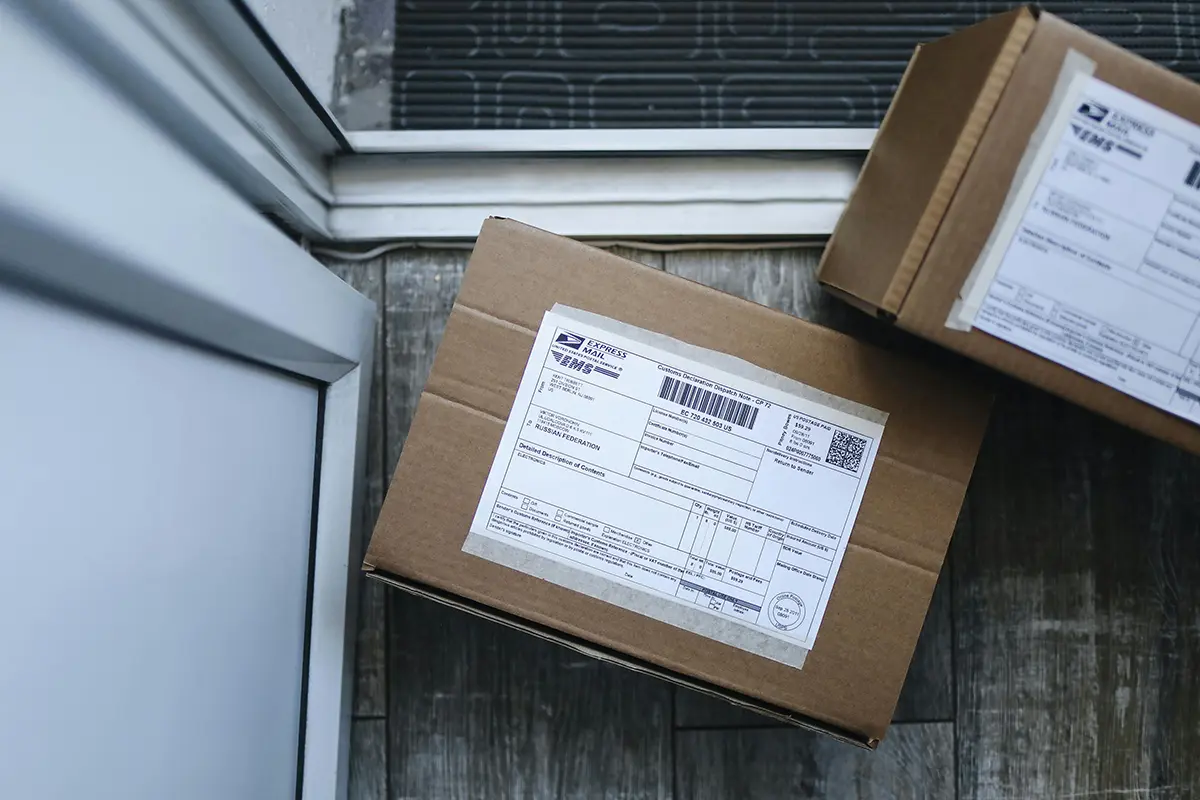
When you first hear about dropshipping for beginners, it probably sounds too simple to actually work. You sell products online without holding inventory, and suppliers ship directly to your customers. The skepticism makes sense because plenty of overhyped opportunities disappoint.
But here is why dropshipping deserves a closer look. The model removes barriers that traditionally stopped people from starting product businesses. No warehouse needed. No massive upfront investment in inventory. No shipping logistics to manage yourself. These advantages create genuine opportunities for people willing to learn the business properly.
Why Dropshipping Appeals to New Entrepreneurs
The traditional retail path requires significant capital before you sell anything. You need products, storage space, and shipping infrastructure. Most people cannot afford these investments while working other jobs or managing limited savings.
Dropshipping for beginners eliminates most of these requirements. You can start with minimal investment because you only pay for products after customers purchase them. This dramatically reduces the financial risk of starting a business.
The model also allows testing ideas quickly. Instead of committing thousands to inventory that might not sell, you can list products and see what attracts customers. If something does not work, you pivot without losing money on unsold stock.
This flexibility makes dropshipping for beginners particularly attractive. You learn through actual experience rather than theory, adjusting your approach based on real customer behavior and market feedback.
Understanding How the Model Actually Works
The mechanics are straightforward once you understand each step. You create an online store and list products from suppliers who agree to fulfill orders on your behalf. When customers purchase from your store, you forward the order to your supplier who ships directly to the customer.
Your profit comes from the difference between what customers pay you and what you pay suppliers. A product that costs you twelve dollars from a supplier might sell for twenty-five dollars in your store. That margin covers your expenses and generates profit.
Learning about e-commerce fundamentals helps you understand this process thoroughly. You learn product selection, store setup, and traffic generation from people who have built successful businesses using these methods.
The challenge is not understanding the concept. The challenge is executing each element well enough to generate consistent sales and manage the business effectively.
Finding Products Worth Selling
Product selection separates successful dropshipping businesses from failures. Dropshipping for beginners often stumbles here because new entrepreneurs choose products based on personal interest rather than market demand.
Winning products solve problems or fulfill desires that customers actively search for. They offer reasonable margins after accounting for advertising costs. They come from reliable suppliers who ship quickly and handle quality issues professionally.
Research matters more than intuition. Study what sells well in your target categories. Analyze competitors to understand pricing. Avoid extremely saturated markets where established players dominate, but also avoid products with razor-thin margins that leave no room for advertising.
Building a Store That Converts
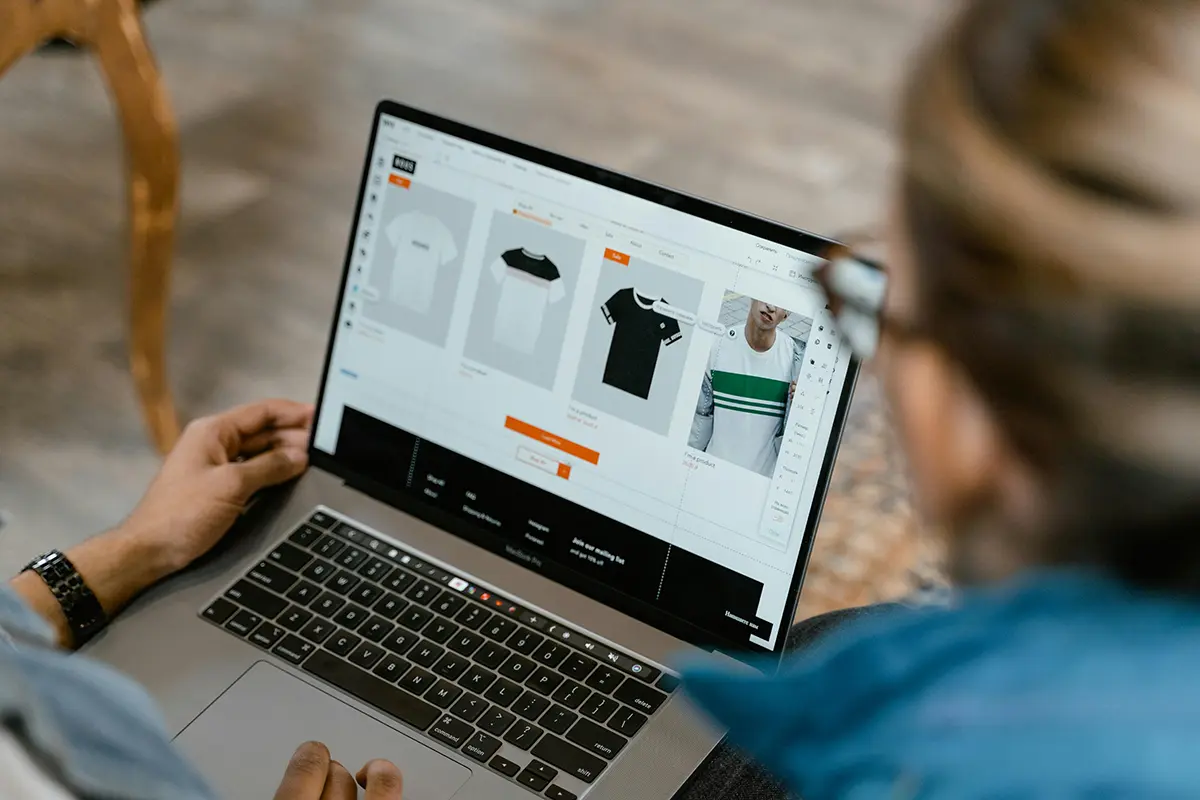
Your online store serves as the foundation for everything else. Dropshipping for beginners requires stores that look professional, load quickly, and guide visitors toward purchasing. Amateur-looking stores drive customers away regardless of product quality.
Platform selection matters but should not paralyze you. Established options make store creation accessible without technical expertise. Focus on clean design, clear product descriptions, and straightforward checkout processes.
Understanding copywriting principles improves your product descriptions and overall store messaging. Persuasive writing helps visitors understand why they should buy from you rather than competitors. Small improvements in conversion rates significantly impact profitability.
Trust elements reduce customer hesitation. Clear return policies, contact information, and professional presentation signal legitimacy. Customers need reassurance when buying from unfamiliar stores.
Driving Traffic to Your Store
The best store means nothing without visitors. Dropshipping for beginners requires learning how to attract potential customers through various channels.
Paid advertising offers the fastest path to traffic but requires budget and skill. Platforms allow targeting specific audiences likely interested in your products. However, advertising costs can quickly exceed profits if campaigns are poorly optimized.Learning about content creation opens organic traffic possibilities. Social media content and video marketing attract visitors without direct advertising costs. The Real World Portal teaches multiple traffic generation methods within their e-commerce training.
Managing Customer Expectations
Dropshipping introduces complications that traditional retail avoids. Shipping times may be longer because products come from distant suppliers. Quality control happens outside your direct oversight.
Transparency prevents most problems. Clear shipping timeframes set accurate expectations. Honest product descriptions reduce returns. Dropshipping for beginners often fails when entrepreneurs hide these realities. Customers who expect two-day shipping become angry when packages take two weeks.
Build relationships with reliable suppliers who maintain quality and ship promptly. Your reputation depends on their performance, so choosing partners carefully protects your business.
Scaling Beyond Initial Success
Once you establish a working system, growth becomes possible. Successful dropshipping for beginners evolves into sustainable business operations through deliberate scaling.
Adding products expands your catalog and attracts broader audiences. Testing new suppliers improves margins and reliability. Reinvesting profits into advertising accelerates growth while maintaining profitability.
Learning about client acquisition principles applies even in product businesses. Understanding how to attract and retain customers systematically transforms sporadic sales into predictable revenue.
Some entrepreneurs expand beyond dropshipping into private labeling or holding inventory for best-selling products. The skills developed through dropshipping transfer to these more advanced models.
Developing the Mindset for Success
Technical skills matter, but mindset determines whether you persist through inevitable challenges. Dropshipping for beginners involves significant learning curves, failed experiments, and discouraging periods before success materializes.
Expect setbacks. Products that seem promising may not sell. Advertising campaigns may lose money initially. Suppliers may disappoint you. These experiences provide education rather than reasons to quit.
Understanding mindset development helps you maintain motivation during difficult periods. The entrepreneurs who succeed are not necessarily the most talented. They are the ones who keep improving despite obstacles.
Patience combined with persistent action produces results over time. Quick riches rarely materialize, but sustainable income becomes possible for those who treat dropshipping as a real business requiring real effort.
Common Mistakes to Avoid
New entrepreneurs make predictable errors that undermine their chances. Dropshipping for beginners succeeds more often when you learn from others’ mistakes rather than repeating them.
Choosing products based solely on high margins ignores competition and demand. Launching stores without testing payment processing creates embarrassing failures. Neglecting customer service destroys reputation and generates chargebacks.
Expecting immediate profits leads to premature discouragement. Most successful dropshippers invested months of learning and testing before achieving consistent profitability. Realistic timelines prevent disappointment.
Trying to sell everything to everyone dilutes focus and resources. Successful stores typically specialize in specific niches where they can develop expertise and reputation. Concentration beats diversification when starting out.
Taking Your First Steps
Dropshipping for beginners offers genuine opportunities for people willing to learn and work consistently. The low barrier to entry makes starting accessible, but success requires treating the venture seriously.
Start by educating yourself properly. Understand the model thoroughly before investing money. Learn from people who have succeeded rather than guessing your way through fundamental decisions.
Build your foundation carefully. Choose products based on research rather than assumptions. Create stores that inspire customer confidence. Develop traffic strategies you can execute with available resources.
Commit to continuous improvement. Analyze what works and what does not. Adjust based on actual results rather than wishful thinking. Persist through difficulties while learning from every experience.
The excitement of dropshipping for beginners comes from genuine possibility. Real people build real businesses using these methods. Your success depends on whether you approach the opportunity with appropriate seriousness and sustained effort.
Frequently Asked Questions (FAQs)
1. How much money do I need to start dropshipping?
You can technically start with a few hundred dollars covering store setup and initial advertising tests. However, having one to two thousand dollars provides more room for testing and learning without running out of resources. The exact amount depends on your chosen platform and advertising strategy.
2. How long before I can expect profits?
Timeframes vary significantly based on product selection, marketing effectiveness, and learning speed. Some entrepreneurs see profits within weeks while others require several months of testing and adjustment. Expecting three to six months before consistent profitability sets realistic expectations.
3. Is dropshipping still profitable with so much competition?
Yes, but success requires differentiation and smart execution. Competition has increased, making product selection and marketing more important than ever. Entrepreneurs who research thoroughly, build quality stores, and market effectively still achieve profitability despite competitive markets.
4. What are the biggest challenges beginners face?
Finding winning products, generating profitable traffic, and managing customer expectations create the most difficulty. Many beginners also struggle with patience, expecting quick results from a business that typically requires months of development and optimization.
5. Do I need technical skills to start?
Modern platforms make store creation accessible without coding knowledge. Basic computer skills and willingness to learn new tools are sufficient. Marketing and business skills matter more than technical expertise for most dropshipping operations.